
Combining Drain Cleaning and Septic Services for Total Plumbing Peace
A healthy home relies on a plumbing system that works silently behind the scenes, yet we often forget that our pipes and waste management systems require consistent care to function at their peak. From the kitchen sink to the underground septic tank, every component is part of a delicate ecosystem. When drains slow down, or septic levels rise, it isn't just a nuisance—it’s a signal that your home’s infrastructure is under stress. By mastering the fundamentals of drain cleaning and septic services, you can protect your property from unsanitary backups and preserve your long-term investment.
The Basics of Drain Cleaning
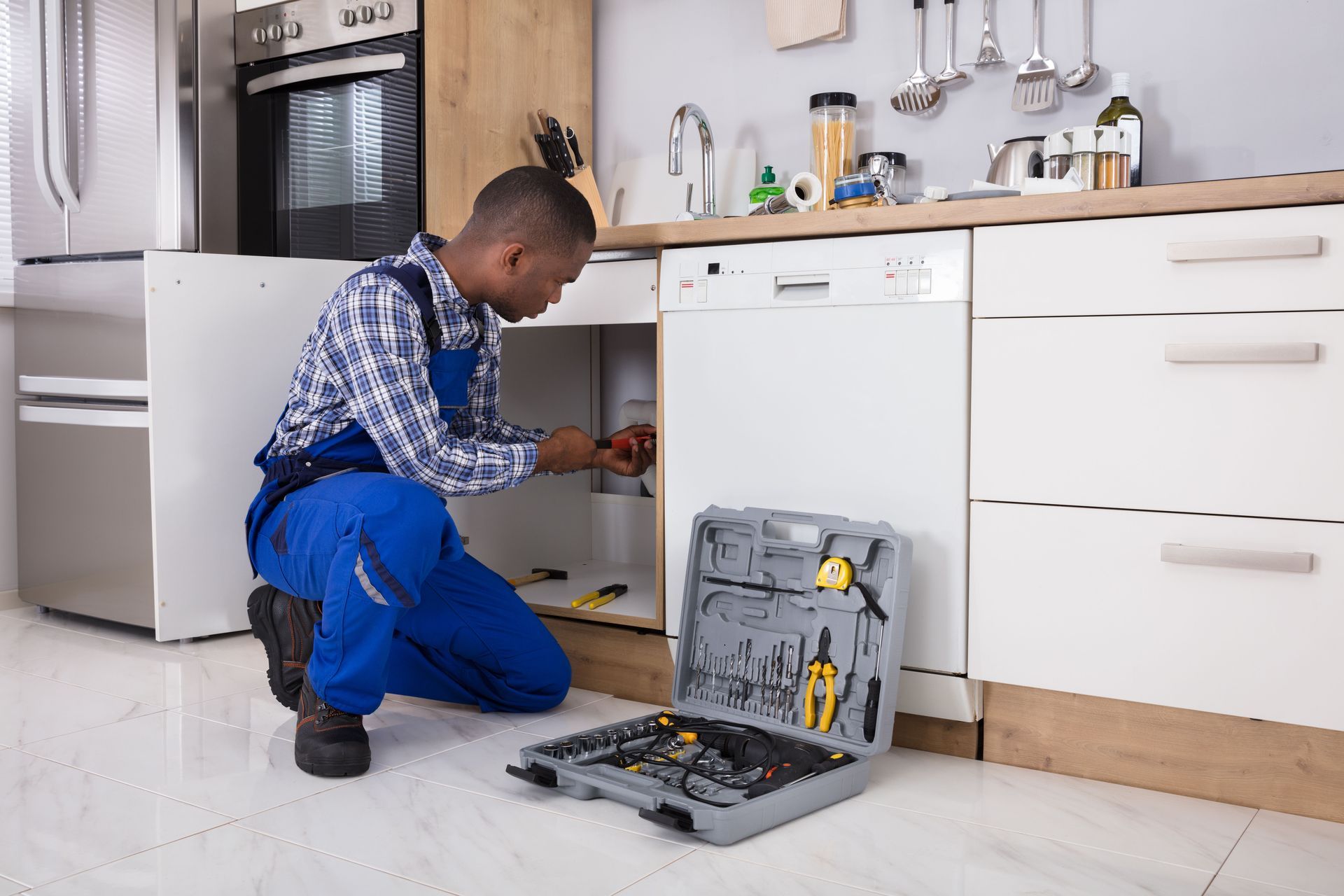
Drain cleaning involves the removal of blockages and buildup within the pipes to ensure smooth water flow. Regular cleaning prevents unsanitary backups and potential plumbing emergencies. It's an essential service that minimizes the chances of heavier, more costly repairs down the line. The process can involve chemical cleaners, mechanical tools, or a combination of both. Effective drain cleaning not only addresses existing issues but also helps prevent future problems.
Homeowners often overlook the importance of timely drain cleaning until a clog causes a major disruption. Fat, oils, grease, and non-biodegradable materials are common culprits in creating obstructions. By understanding the fundamentals of drain mechanics, individuals can appreciate the need for regular sanitation and clearing of their pipes. Drain cleaning is not just a reaction to clogs but a consistent preventative measure.
Drain clogs can stem from various sources, often due to the everyday activities conducted within a home. Improper disposal of waste is a leading cause, with kitchen sinks often suffering from solidified fats, oils, and grease. Shower drains typically deal with hair buildup and soap scum, sensationally gumming up the pipes. Without adequate attention, these can lead to severe blockages, requiring professional intervention. Coupled with foreign objects accidentally entering the plumbing system, clogs can develop rapidly and unexpectedly.
Outside influences, such as tree roots infiltrating pipes, can also be a significant cause of blockage. Roots seek moisture and often find their way into plumbing systems, creating a persistent issue that requires advanced removal techniques. Homeowners using ineffective flushing habits, such as disposing of non-degradable products down toilets, can exacerbate these situations. Improper landscaping near plumbing systems also presents a greater risk for clog formation. Drain cleaning, therefore, is an essential protective measure.
The Role of Septic Services in Home Plumbing
A septic system comprises several critical components, each playing a unique role in managing household waste. The septic tank itself is a buried, water-tight container typically made of concrete, fiberglass, or plastic. It holds wastewater long enough for solids to settle to the bottom as sludge and for oil and grease to float to the top as scum. The drainfield, or leach field, is a shallow excavation made in unsaturated soil, providing a secondary treatment process. Only pretreated wastewater is discharged into the drainfield from the septic tank.
This system also includes a network of trenches or a bed of gravel or porous pipeline material that filters emerging wastewater. It is essential for minimizing environmental impact and maintaining water quality. Another component, the soil around the drainfield, plays a crucial role in absorbing and naturally treating wastewater. The bacteria present in this soil break down waste particles, making them safe for release into the environment. Proper balance and functionality of each component are vital for the system’s success.
Routine inspection and maintenance of these components are necessary to avoid dysfunction and potential system failure. Their longevity and effectiveness depend significantly on how they are treated and serviced by homeowners. Understanding these components helps homeowners take measures to protect and preserve their septic systems. Preventive strategies such as reducing water usage and mindful usage of household chemicals can mitigate potential hazards. A well-maintained septic system proves vital for efficient and sustainable household waste management.
Septic systems work by collecting and treating household wastewater to prevent pollution and environmental harm. Once wastewater enters the septic tank, solids settle to the bottom, where bacteria begin to break down organic material. The remaining liquid, known as effluent, exits the tank and travels to the drainfield. In the drainfield, soil and naturally occurring bacteria further treat the effluent through various biological processes. Eventually, treated water disperses into the surrounding environment, ensuring minimal ecological disruption.
The process hinges on a delicate equilibrium among the septic tank, drainfield, and natural soil microbes. Any imbalance or malfunction in one component can lead to significant issues elsewhere in the system, creating potential hazards. Effective septic system operations depend on regular assessment and service to maintain their precise interactions. Homeowners should prioritise practices that support these organic processes, such as conserving water and minimizing waste. Septic maintenance is key to avoiding ecological and home plumbing complications.
Understanding how a septic system functions enlightens homeowners on its indispensable role in household waste management. The knowledge fosters more sustainable usage habits and diligent attention to overall system health and efficiency. Septic systems stand as a cornerstone of modern wastewater treatment. An informed household propagates vigilance and timely interventions, contributing to the system’s effectiveness. Promoting systemic literacy reduces risks of costly repairs and environmental harm.
The Synergy of Combined Drain and Septic Services
Integrating drain cleaning and septic services presents numerous advantages across residential plumbing systems. The combined approach aligns maintenance tasks, attending to both service areas simultaneously for comprehensive efficiency. Reduced service calls lower overall expenses while allowing a seamless evaluation of plumbing health. Centralizing septic services enhances diagnostic accuracy and eliminates redundancy in overlapping operations. Unified problem-solving efforts address holistic plumbing health and efficiency.
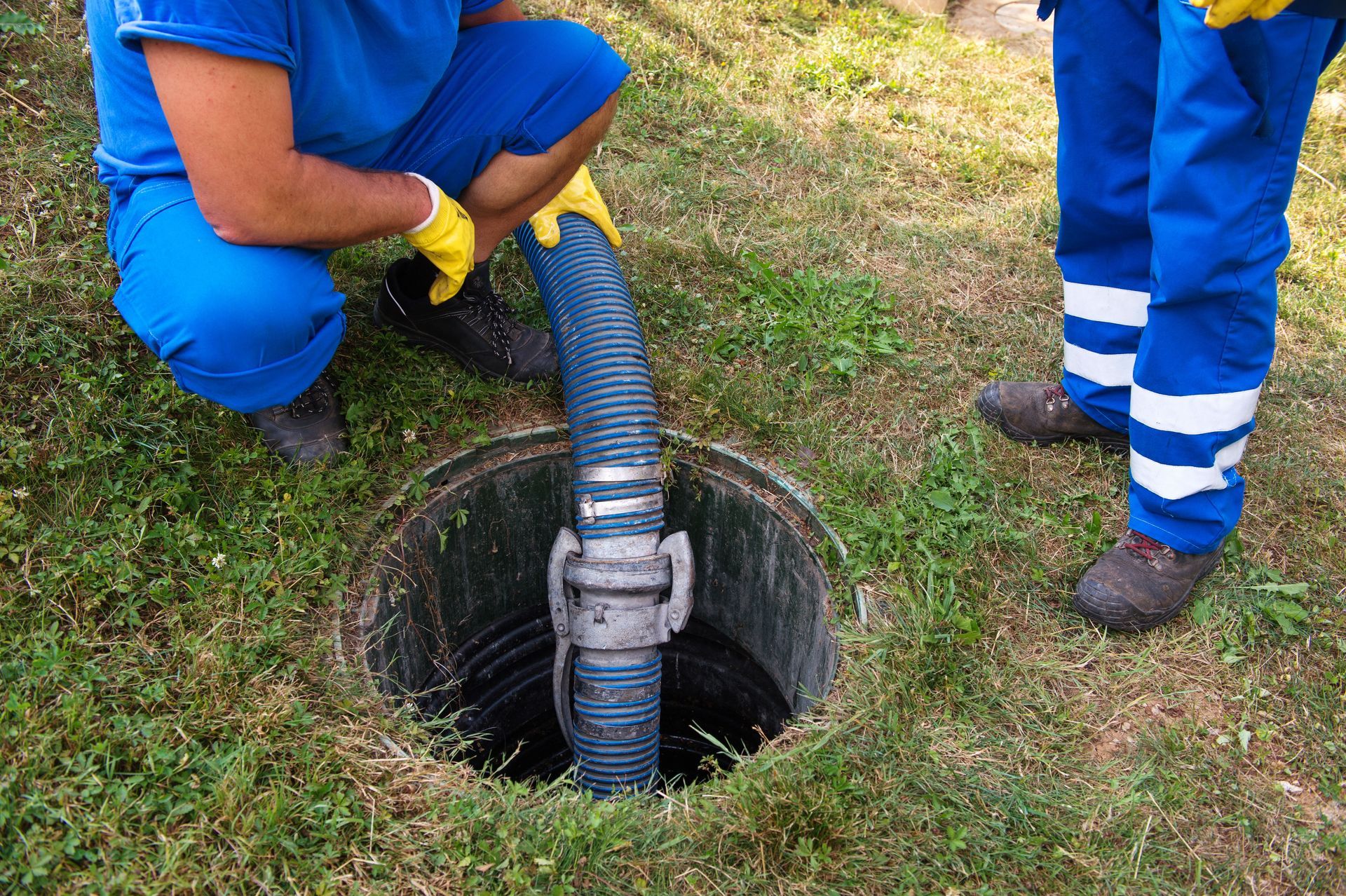
Combining these septic services often leads to extended system longevity, minimizing wear and tear from neglected maintenance issues. A synchronized maintenance schedule reduces the susceptibility to breakdowns, keeping obstructions at bay. By leveraging shared expertise and equipment resources, service professionals offer more thorough and complete solutions. Expenses in unaddressed plumbing issues are mitigated with this proactive, integrated model. Better management translates into reduced downtime and decreased emergency service needs. According to the US Environmental Protection Agency, you should have your septic tank pumped if the liquid depth is more than 25% made up of sludge and scum.
The ease of coordinating maintenance translates to less household disruption and predictable service outcomes. Benefits extend beyond technology and touch on the customer experience, highlighting improved satisfaction with seamless coordination. The synergy promotes proactive and preventative strategies before problems manifest, fortifying plumbing systems against unexpected interruptions. An integrated approach ultimately reflects a unified commitment to quality and consistency in delivering robust plumbing solutions. Homeowners reap long-term rewards in sustainable performance with regular integrated maintenance.
Your home’s plumbing and septic services are too vital to leave to chance. Whether you are dealing with a stubborn clog, preventing root infiltration, or ensuring your septic drainfield is operating at maximum efficiency, a holistic approach to maintenance is the only way to avoid the high costs of emergency repairs. By prioritizing routine cleaning and professional inspections, you ensure a safe, sanitary, and stress-free environment for your family.
Don’t wait for a messy backup to compromise your home's comfort, hygiene, and structural safety. A small clog today can quickly escalate into a full-scale plumbing emergency tomorrow. Contact Dynamerican Plumbing, HVAC, Excavating, Septic & Drain today to schedule a comprehensive assessment of your drain and septic systems. From high-tech line inspections to precision septic pumping, let our dedicated experts provide the professional, proactive care your home deserves to stay running smoothly for years to come!


Share On: