How Water Jetting Removes Tough Buildup Without Chemicals
Tough buildup inside plumbing systems can interfere with drainage, cause recurring clogs, and contribute to unpleasant odors. Grease, soap residue, mineral deposits, and other debris can accumulate along pipe walls, gradually restricting the passage of wastewater. Traditional drain cleaning methods may remove a blockage near the opening without addressing the material coating the surrounding surfaces. Water jetting offers a powerful alternative by using pressurized water to break apart stubborn deposits and flush debris through the plumbing system. This approach can restore drainage while reducing the need for chemical cleaning products. For property owners dealing with persistent plumbing problems, understanding how this technique works can help them make informed maintenance decisions. A professional water jetting service can provide an effective way to address buildup and support the long-term performance of drains.
Understanding How Water Jetting Works
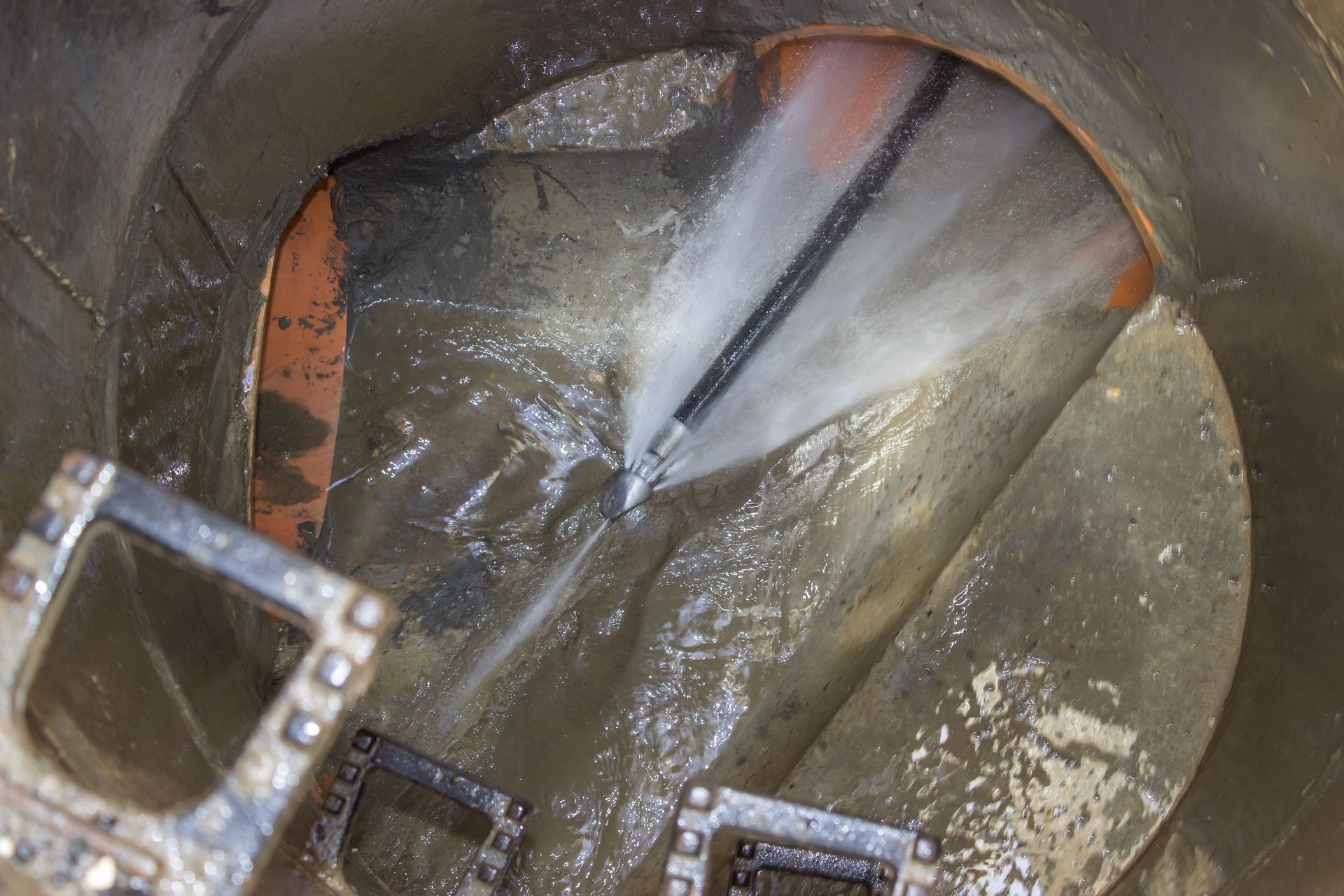
Water jetting uses specialized equipment to direct a concentrated stream of water into pipes and drainage lines. The equipment typically includes a high-pressure pump, a water supply, a reinforced hose, and a specially designed nozzle. Once the hose is positioned inside the pipe, the system releases pressurized water to break up accumulated debris. The force of the water can loosen grease, sludge, food particles, and other materials that cling to interior surfaces. Many nozzles also direct water backward, helping propel the hose through the line while pushing loosened debris toward the drain opening. This combination of pressure and water flow allows the equipment to clean more than the immediate area surrounding a clog. Unlike chemical cleaners that rely on reactive ingredients, this process uses the physical force of water to remove unwanted material. A properly performed water jetting service can therefore address both the obstruction and some of the residue contributing to recurring drainage issues.
Removing Grease and Organic Buildup
Grease and organic waste are common causes of slow drains, particularly in kitchens and commercial food preparation areas. When cooking oils enter a drain, they can cool and adhere to pipe walls, creating sticky layers that trap food particles and other debris. Over time, these layers can become thicker and restrict the space available for wastewater to pass through. Pouring hot water down the drain may move some grease temporarily, but it does not always remove deposits farther inside the plumbing system. High-pressure water can help dislodge these materials and carry them out of the line. It can also remove residue from sections of pipe beyond the immediate location of a blockage. This makes the method useful for addressing buildup that may otherwise contribute to repeated clogs. Scheduling a water jetting service when appropriate can help kitchens and other high-use spaces maintain more reliable drainage.
Breaking Apart Mineral Deposits and Sludge
Mineral deposits can develop when water containing dissolved minerals repeatedly passes through plumbing pipes. Depending on the water supply and conditions inside the system, these deposits may gradually accumulate along interior surfaces. Sludge can create similar problems when sediment, organic matter, and other particles collect in drainage lines. As these materials build up, they can narrow the pipe's usable interior and interfere with normal wastewater movement. Pressurized water can help loosen certain deposits and flush accumulated material from accessible sections of the plumbing system. The effectiveness of the process depends on the deposit's composition, its thickness, and the condition of the pipe. Particularly hard scale may require specialized treatment or a different cleaning approach. A professional assessment helps determine whether water jetting is suitable for the specific buildup and plumbing materials involved.
Clearing Roots and Persistent Drain Obstructions
Tree roots can become a serious concern when they enter underground sewer lines through small cracks, loose joints, or damaged connections. Once inside, roots may continue growing as they encounter moisture and nutrients within the pipe. They can catch toilet paper, grease, and other waste, eventually creating a substantial obstruction. Water jetting can help cut through smaller root intrusions and wash away the debris collecting around them. However, extensive root growth may indicate structural damage that requires more than routine drain cleaning. A plumber may recommend a camera inspection to identify the location and severity of the intrusion before selecting an appropriate solution. When the pipe remains structurally sound, a water jetting service may help restore flow and remove material contributing to recurring blockages. Addressing the underlying cause is important because roots can return if the damaged entry point remains untreated.
Reducing Dependence on Chemical Cleaners
Chemical drain cleaners are widely available, but they are not suitable for every plumbing problem. Some products use corrosive ingredients that can create safety concerns during handling, storage, and disposal. Repeated use may also be inappropriate for certain pipes, fixtures, or existing plumbing conditions. Water jetting offers a mechanical cleaning method that relies on water rather than chemical drain-cleaning agents. This can reduce the need to introduce additional cleaning chemicals into the wastewater stream during the service. It also avoids relying on chemical reactions to dissolve a blockage that may contain mixed materials. However, the environmental impact of any cleaning method depends on factors such as water consumption, wastewater handling, and the nature of the removed debris. Choosing a water jetting service can be a practical option for property owners seeking a chemical-free approach to suitable drain-cleaning tasks.
Understanding Pressure and Equipment Requirements
The effectiveness of water jetting depends on selecting equipment that matches the plumbing system and the type of obstruction. According to water jetter manufacturer Spartan Tool, high-pressure water jetters commonly work at pressures reaching 4,000 PSI, with water flow rates ranging from two to 25 gallons per minute. These operating ranges illustrate how the equipment can combine substantial pressure with a steady supply of water to remove difficult buildup. However, the highest available pressure is not necessarily the right choice for every job. Pipe diameter, material, age, and condition all influence the appropriate settings and nozzle selection. Excessive pressure or improper use can damage weakened pipes, joints, or other plumbing components. Trained technicians evaluate these factors before beginning the cleaning process. Professional equipment selection helps ensure that a water jetting service addresses the obstruction without applying unnecessary force to the system.
Recognizing When Professional Cleaning Helps
Some drainage problems can be resolved with basic maintenance, but persistent symptoms may indicate a deeper obstruction. Multiple slow drains, recurring backups, gurgling sounds, and unpleasant odors can suggest that debris has accumulated farther inside the plumbing system. These warning signs are particularly important when several fixtures experience problems at the same time. A professional plumber can investigate the cause rather than treating each affected drain as an isolated issue. Depending on the situation, an inspection may involve drain cameras or other diagnostic equipment. This helps determine whether the problem involves grease, sediment, roots, a damaged pipe, or another obstruction. A water jetting service may be recommended when the pipe is suitable for high-pressure cleaning and buildup is restricting normal flow. If the inspection reveals structural damage, repairs may need to take priority over cleaning.
Successful water jetting requires more than powerful equipment because technicians must understand how different plumbing systems respond to high-pressure cleaning. An experienced professional can assess the obstruction, inspect the condition of the pipes, and determine whether this method is appropriate. This evaluation is especially important for older plumbing systems or lines with existing damage. Technicians can also identify situations where a camera inspection, mechanical cleaning, or pipe repair may be more effective. Clear communication about the problem and the recommended approach helps property owners understand what the work involves. Professional service can also help prevent unnecessary cleaning when the underlying issue requires a different solution. For dependable drain maintenance, Dynamerican Plumbing, HVAC, Excavating, Septic & Drain can help property owners address plumbing concerns with an approach suited to their systems. Contact us to discuss your drainage concerns and determine whether professional water jetting is the right solution for your property.


Share On: