
How Professional Septic Tank Pumping Can Improve System Life
Septic tank systems are a critical component of wastewater management for properties not connected to municipal sewers. They require regular upkeep to function optimally and avoid costly repairs. One of the key aspects of septic system maintenance is pumping, which involves removing solids that accumulate inside the tank over time. This article delves into how professional septic tank pumping can significantly enhance the longevity and operational efficiency of these systems. By understanding the importance of pumping, property owners can mitigate risks associated with neglected septic systems.
Prevent Septic System Problems
Regular septic tank pumping is crucial to prevent the overflow of waste materials. As solids build up in the tank, the effective volume decreases, leading to potential clogs and system failures. By regularly removing these solids, you maintain the system's capacity and prevent backups that could cause environmental hazards. According to the U.S. Environmental Protection Agency, a septic tank should be inspected at least every one to three years and pumped at least every three to five years to ensure its effective operation. Regular pumping ensures a balanced environment within the tank, which is essential for efficient waste breakdown.
Beyond preventing clogs, regular pumping also helps protect the integrity of the drain field. The distribution of liquid waste is crucial for proper wastewater treatment, and excess solids can overpower the system, leading to contamination. Regular pumping ensures that only suitable waste is reaching these fields, ultimately preserving their functionality. By investing in consistent septic tank maintenance, you can safeguard against expensive repairs or replacements. This proactive approach reduces the likelihood of abrupt system failures and costly interventions.
Additionally, routine septic tank pumping contributes to the conservation of water resources. A well-maintained septic system processes waste more efficiently, conserving water and reducing the risk of overloading systems with unnecessary fluid. Ultimately, this practice supports environmental sustainability, ensuring that wastewater is managed responsibly. The combination of these benefits underscores why regular septic tank pumping is a non-negotiable aspect of system maintenance. Moreover, maintaining a regular pumping schedule can contribute positively to community health by preventing pollution.
Determine Your Pumping Schedule
The frequency of septic tank pumping depends on several factors, including the size of the tank, household usage, and the number of occupants. An average household septic system typically needs pumping to maintain its functionality. However, properties with smaller tanks or larger families may require more frequent servicing. It’s crucial to understand specific household dynamics to determine an appropriate schedule for septic tank pumping. Regular consultations with professionals can optimize scheduling and ensure system efficiency.
Professionals recommend monitoring usage patterns to optimize the pumping schedule. Environmental factors, such as heavy rains, can also affect how often a system needs attention. For instance, increased water usage during certain seasons may expedite the need for pumping services. Thus, understanding both your septic system capacity and lifestyle is essential for effective septic tank maintenance. Awareness of how various factors influence septic function can reduce emergency maintenance needs.
Another significant criterion is the efficiency and age of the septic system. Older systems may need more frequent inspections to ensure they are operating correctly. The U.S. Environmental Protection Agency suggests regular inspections alongside pumping to address small issues before they become significant problems. In essence, proactively managing your septic system’s use and condition is instrumental in defining an optimal pumping schedule. Understanding the history and wear of your system supports better maintenance decisions and longevity.
Understand the Pumping Process
During a professional septic tank pumping service, the first step is an inspection by a qualified technician. They will assess the system's condition and check for any signs of damage or potential issues. This inspection is a preventive measure that ensures the overall health of your septic system. Following a thorough inspection, the technician will begin the process of emptying the tank. This initial step is crucial for addressing unseen problems that could evolve into major repairs without timely intervention.
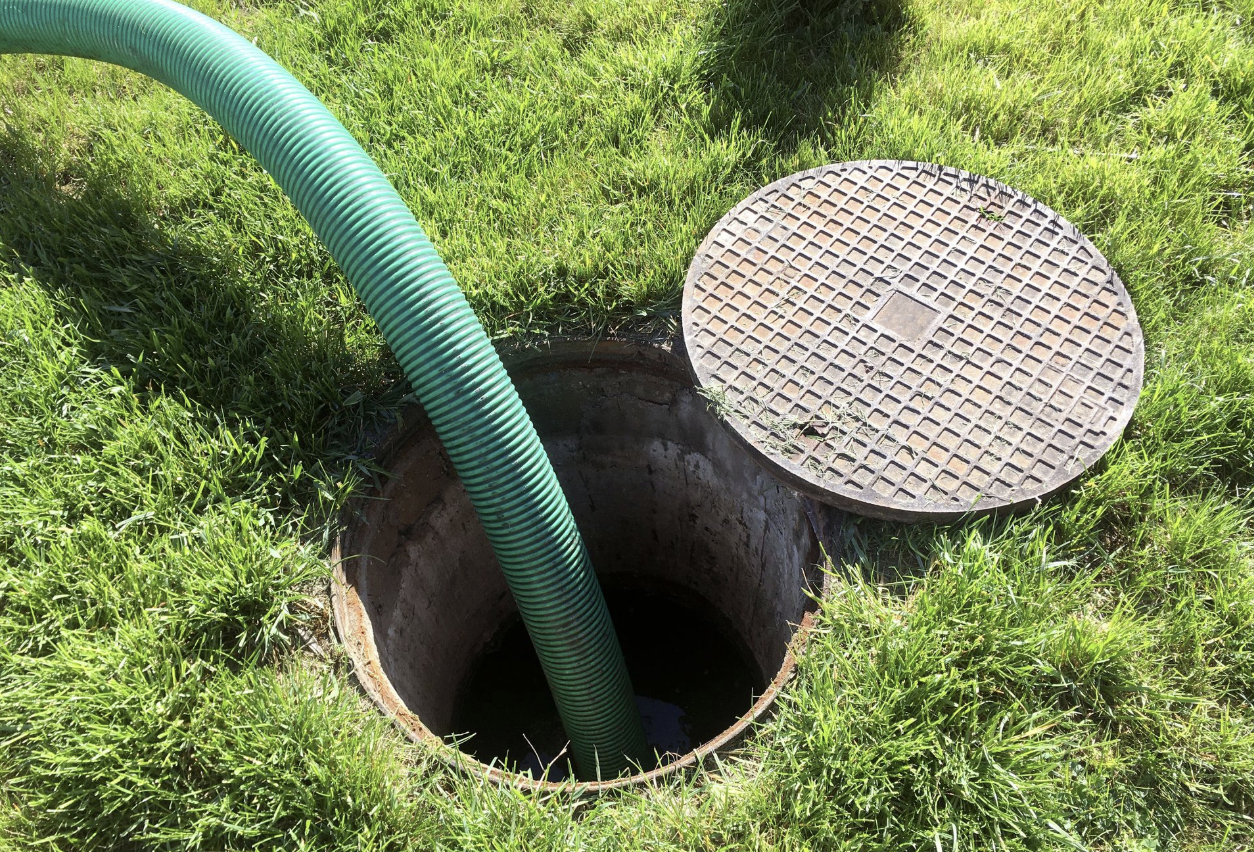
The actual pumping involves removing sludge, liquids, and scum from the septic tank. This process not only clears out waste materials but also prevents potential blockages and backups. Professional services utilize specialized equipment, such as vacuum trucks, to efficiently complete the task. Their expertise ensures that the process does not harm the system and effectively removes all undesirable substances. Properly executed pumping safeguards the system against operational stress during peak usage times.
After pumping, professionals will often provide a report on the tank’s condition and any recommendations for future maintenance. This documentation can be invaluable for ongoing care, helping homeowners keep track of maintenance schedules. They might also advise regular inspections to prevent future problems. Overall, a clear understanding of what to expect can help property owners feel assured about the upkeep of their septic systems. Trusting professionals with the maintenance process improves decision-making for future services and repairs.
Choose a Reliable Pumping Service
Selecting a reputable septic tank pumping service involves considering several factors. Experience and credentials are paramount; ensure that the company has a proven track record and skilled personnel. Checking public reviews and asking for referrals can provide insights into the reliability and quality of service offered. Familiarity with local regulations and environmental standards is also a significant credential when choosing a provider. Investigating their history and customer feedback aids in making a well-informed choice.
It is also advisable to compare quotes from multiple companies to gauge reasonable pricing for services. Understanding the scope of services offered helps in assessing value and should include inspection, pumping, and maintenance advice. Transparent communication from the company about the costs and processes is fundamental to establishing trust. Ensuring these components guarantees that you receive professional and cost-effective services tailored to your needs. Taking these steps assures you select a service provider who aligns with your expectations and budget.
Additionally, confirm that the service focuses on sustainable practices. Effective septic tank pumping should align with environmental conservation efforts, including proper disposal of waste. Companies utilizing environmentally responsible techniques demonstrate a commitment to broader ecological health. Balancing professional services with an environmentally conscious approach should guide your decision-making process. Seeking this harmony ensures that your choice supports both effective waste management and ecological well-being.
Extend Your Septic System's Life
Regular septic tank pumping provides numerous long-term benefits, primarily prolonging the lifespan of the system. Proper maintenance curtails the accumulation of solids that can cause blockages and damage. By keeping the system clear of excess waste, homeowners can avoid the costly replacements of components or entire systems. Investing in just regular pumping services can end up extending a septic system’s operational life by years. Such measures also help maintain a favorable property environment by preventing nuisance odors or flooding.
Beyond longevity, regular maintenance prevents environmental contamination. A malfunctioning system can lead to untreated waste leaking into the ground, negatively impacting soil and water sources. Regular septic tank pumping prevents such unpleasant scenarios, ensuring safe waste processing. This environmental safeguard also maintains compliance with local regulations, avoiding potential fines. It represents a proactive approach to mitigate risks associated with resistance to routine upkeep.
Professional septic tank pumping is indispensable for maintaining system health, efficiency, and longevity. Regular maintenance alleviates the risks of system failures and environmental hazards, securing both property and ecological safety. Investing in such services demonstrates a commitment to responsible home and environmental stewardship. In the final analysis, professional septic tank pumping stands as a critical practice for ensuring the extended life and continued efficiency of septic systems. This commitment signifies a proactive approach to property management, prioritizing safety and functionality over time. Reach out to Dynamerican Plumbing, HVAC, Excavating, Septic & Drain to learn more about our services today.



Share On: