
Why Drain Cleanout Is So Important for System Health
Regular drain cleanouts play an essential role in maintaining the health and functionality of plumbing systems. This practice can prevent costly repairs and ensure the longevity of your plumbing infrastructure. Using a reliable drain cleaner can help clear minor grease and soap buildup, but larger obstructions often require mechanical intervention. In this article, we will explore why drain cleanout is critical for overall system health and how it can benefit both residential and commercial properties. Many homeowners may not realize the significance of this maintenance task until they experience a major blockage or plumbing failure. In proactive plumbing systems maintenance, regular cleanouts and the occasional use of a chemical or enzymatic drain cleaner can prevent potential disasters.
Understanding Drain Cleanouts
Definition and Purpose
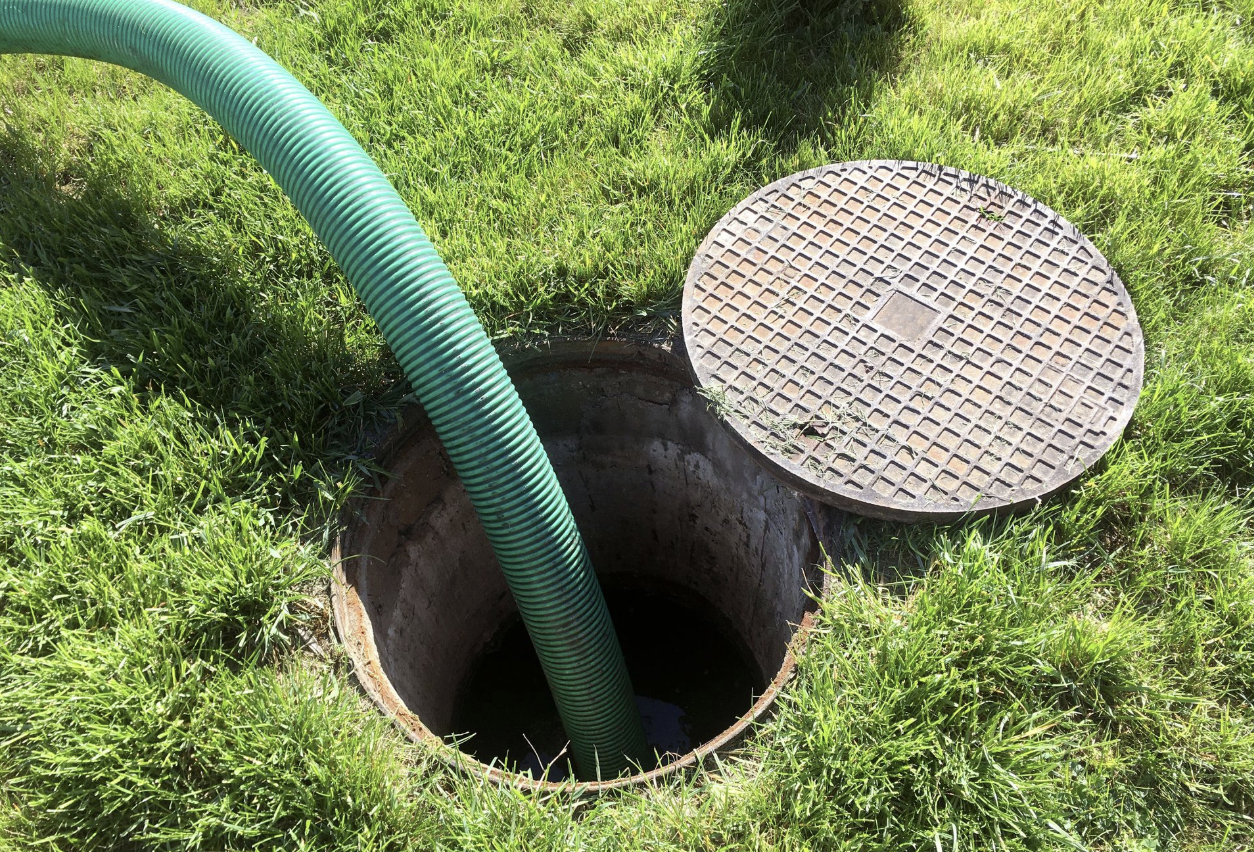
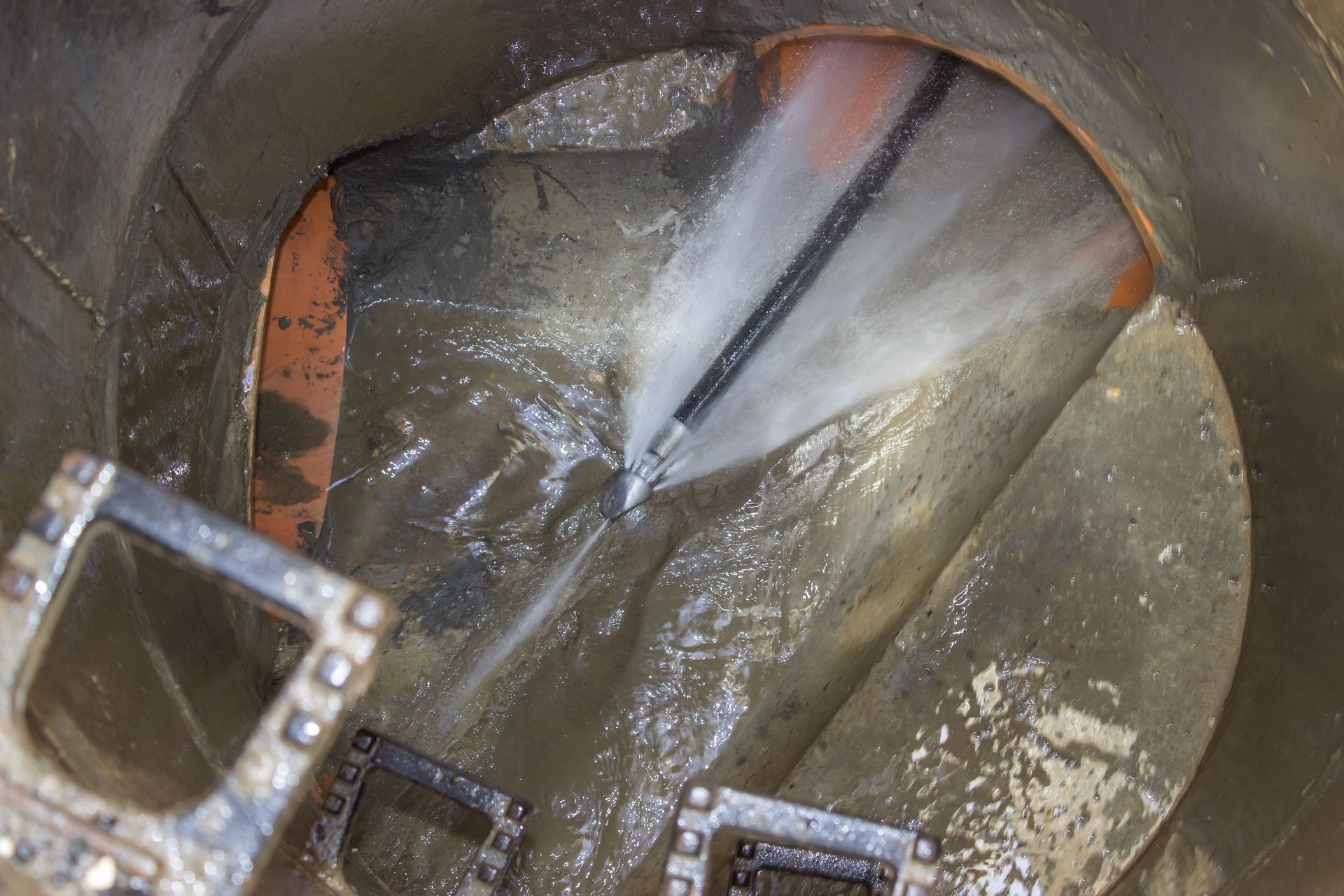
Drain cleanouts are specialized access points within a plumbing system designed to clear blockages and promote flow. They serve as strategic locations where plumbers can insert equipment like augers and cameras to diagnose and resolve issues. While a liquid drain cleaner might break down small organic clogs near the surface, a physical cleanout allows access to the core of the line. These cleanouts essentially act as gateways to the rest of the plumbing system, allowing for inspection and maintenance without the need for invasive procedures. Regular use of cleanouts ensures that accumulated debris and potential clogs are addressed before they escalate into major problems. They are fundamental to both residential and commercial plumbing, where ongoing maintenance is critical.
Common Types of Drain Cleanouts
In plumbing systems, there are several types of cleanouts, each serving distinct purposes. Main line cleanouts are the primary access points for the entire system, often located close to the property line. Floor drain cleanouts are common in basements and utility areas, providing easy access for maintenance without disrupting daily activities. Additionally, sink drain cleanouts are installed within kitchen and bathroom areas to address smaller, localized clogs where a household drain cleaner might normally be applied. Each type of cleanout is designed with the specific needs and configurations of the plumbing system in mind.
Significance in Modern Plumbing
As plumbing technology has evolved, the role of drain cleanouts has become increasingly significant. Modern plumbing systems are more complex than ever, requiring reliable access points for maintenance and repair. Innovations in cleanout design have improved the ease and efficiency of addressing clogs and debris buildup. While homeowners often reach for a commercial drain cleaner at the first sign of a slow sink, physical access points remain essential for deep structural clearing. The importance of cleanouts is also highlighted by the increasing prevalence of individual septic systems. According to the Environmental Protection Agency, more than one in five households in the U.S. depend on individual septic systems or small community cluster systems to treat their wastewater, emphasizing the need for accessible maintenance solutions.
The Role of Drain Cleanouts in Preventive Maintenance
Preventing Blockages
Regular utilization of drain cleanouts is imperative in the prevention of blockages. These access points allow maintenance personnel to clear minor obstructions before they escalate into significant clogs. While applying a suitable drain cleaner can help with routine hair or scum buildup, mechanical cleanouts are necessary for tree roots and solid debris. By utilizing drain cleanouts as part of a regular maintenance schedule, property owners can avoid the inconvenience and costs associated with emergency plumbing issues. Frequent maintenance using cleanouts ensures the continuous flow of waste and water through the plumbing system. Overall, this prevents the buildup of materials that could cause slow drainage or total blockages.
Extending System Lifespan
Effective drain cleanout practices positively impact the longevity of plumbing systems. When cleanouts are used regularly, plumbing systems are less likely to experience the wear and tear caused by prolonged blockages. Relying solely on a harsh chemical drain cleaner can sometimes degrade older pipes, whereas physical cleanout methods preserve pipe integrity. Cleanouts enable early identification of potential issues, allowing property owners to address problems before they require expensive interventions. As plumbing systems are preserved in optimal condition, their lifespan is naturally extended, providing long-term financial savings. For residential and commercial properties, this means maintaining the integrity of plumbing infrastructure over many years.
Cost-Effectiveness
From a financial perspective, regular drain cleanouts are one of the most cost-effective maintenance strategies. While there may be an upfront cost to hire professionals or acquire necessary tools, the long-term savings are substantial. Buying bottle after bottle of over-the-counter drain cleaner provides only a temporary fix for deep main line issues. Routine maintenance efforts, including cleanouts, prevent larger, more expensive problems from occurring. In many cases, regular cleanouts can delay or eliminate the need for major plumbing renovations. By maintaining their systems, property owners ultimately enjoy high functionality and reduced maintenance costs over time.
Consequences of Neglecting Drain Cleanouts
Frequent Blockages
When drain cleanouts are neglected, the likelihood of encountering frequent blockages increases significantly. Without regular maintenance, accumulated debris and sediment can hinder the flow within the plumbing system. Pouring a random drain cleaner down the sink will not dislodge heavy sediment or structural obstructions in the main stack. Each of these blockages contributes to pressure imbalances and strain on pipes, increasing the risk of damage and failure. Unresolved blockages may lead to slow drainage and overflows, becoming major inconveniences and health hazards. Property owners may find themselves dealing with plumbing issues more often and with increasing severity.
System Failures
Neglecting drain cleanouts can also result in catastrophic system failures. As blockages remain unaddressed, the cumulative strain on the system amplifies, leading to potential pipe bursts or septic system overflows. Such failures pose a significant risk to property health and safety, potentially requiring extensive repair work. The consequences of a neglected system can include costly emergency repairs and even temporary displacement from the property. System failures are not only financially burdensome but also disruptive to daily life and business operations.
Health Hazards
Ignored drain cleanouts can introduce serious sanitary and health hazards. Blockages and backups often result in the exposure of inhabitants to untreated wastewater, containing harmful pathogens and contaminants. Over time, blocked drains can foster environments conducive to mold, mildew, and pest infestations. The presence of these elements poses health risks, particularly to individuals with pre-existing respiratory conditions. Regular maintenance and cleanouts are critical to preserving a healthy living or working environment.
Best Practices for Drain Cleanout
Scheduled Inspections
Adhering to a schedule for drain cleanout inspections is a proven best practice in maintaining system health. Regular inspections allow for the early detection of potential issues, with many experts recommending twice-yearly assessments. These inspections enable maintenance personnel to clear any buildup or debris that has the potential to cause blockages. Scheduled cleanouts also ensure that the plumbing system remains compliant with local codes and standards. By maintaining a consistent inspection routine, property owners can effectively manage and preserve their plumbing infrastructure.
Signs You Need a Cleanout
Recognizing early warning signs that indicate a need for a cleanout is critical in preventing system failures. Slow drains, gurgling sounds, and unpleasant odors are common indicators that a cleanout is necessary. Visual signs such as water pooling or backflow near drains and toilets also suggest a blockage may be present. Addressing these warning signs immediately can prevent further damage and the escalation of blockages. Regular observations by property owners can contribute significantly to the ongoing health of their drainage systems.
An effective drain cleanout regimen is crucial for ensuring the health and functionality of plumbing systems. By understanding the significance, implementing best practices, and keeping abreast of technological advancements, property owners can prevent costly repairs, extend the life of their drainage systems, and maintain a healthy environment. Knowing when to use a gentle eco-friendly drain cleaner versus when to call a professional for a full cleanout is key to proper long-term care. Regular maintenance not only preserves system integrity but also contributes to overall safety and efficiency. The careful management of drainage systems reflects a commitment to both individual property health and broader community well-being. Prioritizing drain cleanouts is vital in both preserving infrastructure and supporting environmental sustainability. Call Dynamerican Plumbing, HVAC, Excavating, Septic & Drain today for more.


Share On: