
Common Clog Causes and Top Drain Cleaning Techniques That Work
Maintaining a functional plumbing system is essential for the comfort and safety of any modern household. While most people do not think about their pipes until a problem arises, the internal health of your drainage system dictates how efficiently your home operates daily. From the kitchen sink to the master bath, every fixture relies on a clear path for wastewater to exit the property without resistance. When obstructions begin to form, they often start as minor inconveniences like slow drainage or strange gurgling sounds before escalating into full-scale backups that can cause significant water damage and unsanitary conditions. Understanding the lifecycle of a clog and the various methods available for removal can help homeowners protect their infrastructure and avoid the stress of emergency repairs.
According to the EPA, approximately half of the 400,000 sewer blockages reported annually are caused by grease. This startling statistic emphasizes just how much our daily habits in the kitchen impact the larger municipal and residential systems we rely on. When warm fats, oils, and grease are poured down the sink, they may appear liquid at first, but they quickly solidify as they cool deep within the pipes. Over time, these substances act like glue, trapping other debris such as food particles and hair, eventually creating a nearly impenetrable barrier. Recognizing these common culprits is the first step toward implementing effective drain cleaning strategies that keep your water flowing freely year after year.
Identifying Kitchen Grease Accumulation
Kitchen drains are under constant assault from organic matter that is often mismanaged during the cooking and cleaning process. Beyond the obvious fats and oils, many people mistakenly believe that powerful garbage disposals can handle fibrous vegetables, starchy pasta, or eggshells without consequence. These materials do not simply vanish once they pass the blades; instead, they often settle in the p-trap or along the horizontal stretches of the piping. As these food remnants sit in the damp environment, they begin to decompose and stick to the walls of the pipe, narrowing the passage for water and eventually leading to a complete stoppage that requires professional intervention.
Addressing these kitchen issues often involves a mixture of preventive behavior and targeted maintenance. Homeowners should always use sink strainers to catch solid particles before they enter the system and dispose of cooking oil in separate containers rather than the sink. If a slow drain is already present, it is important to avoid harsh chemical cleaners that can corrode older metal pipes or damage plastic seals. Instead, many find success with biological cleaners that use natural enzymes to eat away at organic buildup without harming the plumbing. Consistent drain cleaning in the kitchen area ensures that the most heavily used part of the home remains operational and free of the foul odors often associated with rotting food debris.
Managing Bathroom Hair Buildup
In the bathroom, the primary adversary to clear pipes is almost always a combination of hair and soap scum. Every time someone showers or washes their hair, dozens of strands slip past the stopper and begin to wrap around the internal components of the drain assembly. Hair is particularly problematic because it does not degrade quickly and has a textured surface that easily snags on any imperfections inside the pipe. When this hair mixes with the waxy residue left behind by bar soaps and heavy conditioners, it forms a thick, felt-like mat that effectively waterproofs the drain from the inside out.
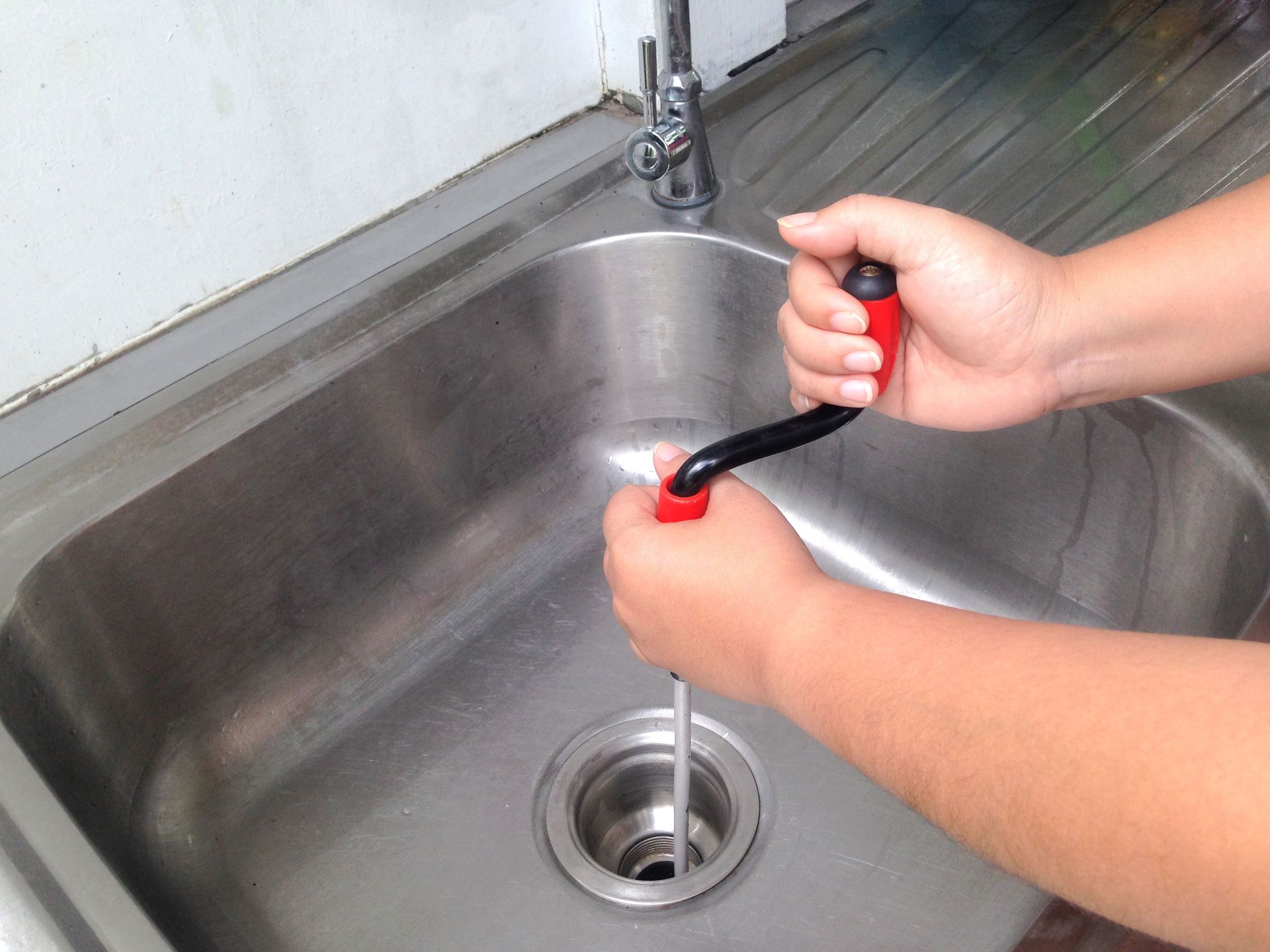
The removal of these bathroom obstructions often requires physical agitation rather than just flushing the system with water. Small plastic zip tools can be inserted into the drain to pull out surface-level hair clumps, providing immediate relief for slow tubs and sinks. For deeper issues, a manual snake can reach further into the plumbing to break apart the soap scum and hair connection. Integrating a regular drain cleaning schedule for bathrooms can prevent the total blockages that often lead to overflowing basins or standing water in the shower. Keeping these areas clear is vital for maintaining the hygiene standards of the home and preventing the growth of mold in damp, stagnant areas.
Recognizing Invasive Tree Roots
For many properties, the most serious clogs occur far away from the sinks and toilets in the main sewer line that runs beneath the yard. Tree roots are naturally drawn to the warmth and moisture inside these lines, and they can enter through even the smallest cracks or loose joints. Once a single root tip finds its way inside, it can grow rapidly into a massive web that fills the entire diameter of the pipe. These root curtains catch everything that comes down the line from the house, including toilet paper and solid waste, leading to a massive backup that can affect every fixture in the building simultaneously.
Because these blockages are located deep underground and are composed of tough organic material, they cannot be cleared with simple household tools. Professional plumbers often use specialized equipment to cut through the wood and restore the flow of the sewer line. Following the mechanical removal, certain foaming treatments can be applied to inhibit future root growth without killing the tree itself. Routine inspections and proactive drain cleaning are the best defenses against root intrusion, especially for older homes with clay or cast-iron pipes. By monitoring the exterior plumbing, homeowners can avoid the massive expense and landscape disruption associated with a full sewer line replacement.
Utilizing High Pressure Water Jetting
One of the most effective modern techniques for restoring pipes to their original condition is the use of high-pressure water. This process involves a specialized machine that blasts water through a nozzle at incredibly high speeds, stripping away years of mineral scale, grease, and debris from the interior walls. Unlike traditional snaking, which only pokes a hole through a clog, water jetting cleans the entire circumference of the pipe. This thoroughness makes it a preferred method for commercial kitchens and residential homes that struggle with recurring grease issues or hard water deposits.
This technique is also remarkably safe for the environment because it relies solely on the power of pressurized water rather than toxic chemicals. It is an excellent preventative measure that can be performed annually to ensure that no hidden buildup is allowed to calcify and become a permanent fixture in the plumbing. During a professional drain cleaning session, the technician can adjust the pressure to match the specific material and age of the pipes, ensuring a deep clean without risking a burst. By investing in this advanced technology, you can significantly extend the lifespan of your drainage system and enjoy the peace of mind that comes with knowing your pipes are as clean as the day they were installed.
Keeping your plumbing clear requires a blend of personal responsibility and professional expertise. By understanding how grease, hair, and roots impact your pipes, you can take daily actions to minimize the risk of a blockage. Utilizing advanced techniques such as water jetting and mechanical snaking ensures that when problems do arise, they are handled thoroughly and safely. The health of your home depends on the invisible network of pipes that carry waste away, and keeping them clean is a fundamental part of homeownership. If you are experiencing slow drains or simply want to ensure your system is in peak condition, it is time to seek expert assistance. For comprehensive care and reliable solutions for your plumbing, septic needs, and drain cleaning, please contact Dynamerican Plumbing, HVAC, Excavating, Septic & Drain



Share On: